
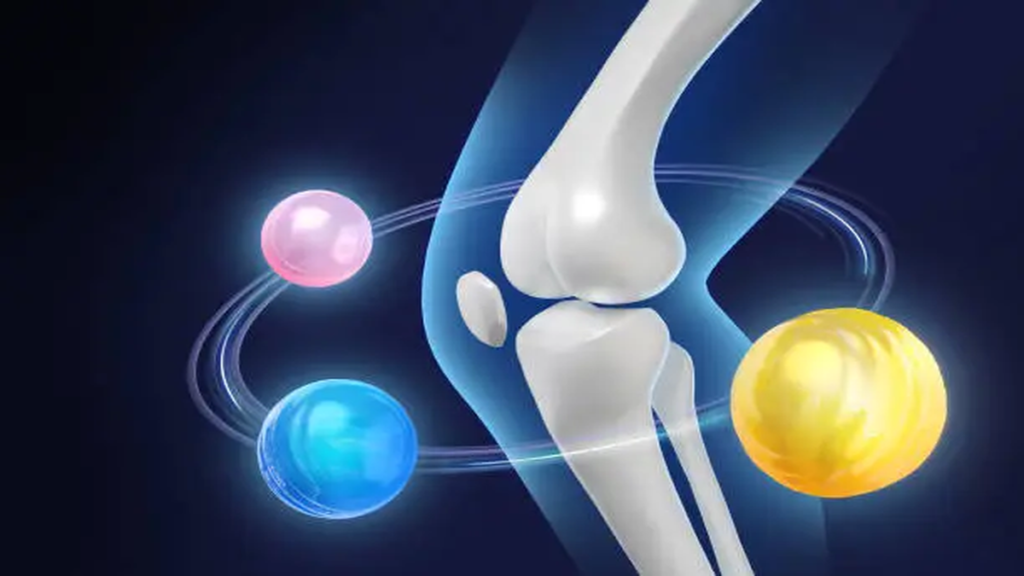

Attrities is a term often used to describe a condition involving joint discomfort, stiffness, reduced mobility, and long-term inflammation. While the word itself may appear in different spellings or informal usage, it broadly represents a group of conditions that affect the joints and surrounding tissues. Attrities is not a single disease with one cause or one solution. Instead, it reflects a complex spectrum of joint-related challenges that vary in severity, progression, and impact on daily life.
This article provides a comprehensive, original, and detailed exploration of attrities. It is written entirely in original language and does not rely on external sources. The aim is to help readers clearly understand what attrities represents, how it develops, how it affects physical and emotional well-being, and what long-term management typically involves. The discussion avoids short explanations and instead focuses on deep clarity, practical understanding, and balanced insight.
Understanding Attrities as a Joint-Related Condition
Attrities refers to persistent problems in one or more joints that often involve inflammation, pain, stiffness, or structural changes over time. Joints are complex structures where bones meet and move together, supported by cartilage, ligaments, tendons, and fluid. When any of these components are disrupted, joint function can suffer.
Unlike temporary joint pain caused by injury or overuse, attrities usually develops gradually and tends to persist. It may affect a single joint, such as the knee or wrist, or multiple joints throughout the body. The condition often becomes more noticeable with age, but it is not limited to older individuals. People of different age groups can experience attrities depending on genetic, lifestyle, or health-related factors.
The defining characteristic of attrities is its long-term nature. Symptoms may fluctuate, improving at times and worsening at others, but they rarely disappear completely without proper management.
Types and Forms of Attrities
Attrities is an umbrella term that can include multiple forms, each with different underlying mechanisms. Some forms are driven primarily by wear and tear, while others are linked to immune system activity or metabolic changes. Understanding that attrities is not a single condition helps explain why symptoms and treatment approaches vary so widely.
Below is a simplified overview of common forms often associated with attrities:
| Form of Attrities | Primary Cause | Commonly Affected Areas |
|---|---|---|
| Degenerative | Gradual cartilage breakdown | Knees, hips, spine |
| Inflammatory | Immune system overactivity | Hands, wrists, multiple joints |
| Metabolic-related | Crystal or substance buildup | Toes, feet, knees |
| Post-injury | Previous joint damage | Any previously injured joint |
Each form presents unique challenges, but all share the core issue of joint discomfort and reduced function.
How Attrities Develops Over Time
The development of attrities is usually slow and progressive. In many cases, the early stages are subtle. A person may notice mild stiffness in the morning, slight discomfort after activity, or reduced flexibility. These early signs are often ignored or attributed to normal aging or fatigue.
Over time, structural changes can occur within the joint. Cartilage may thin, joint fluid may become less effective at lubrication, and surrounding tissues may become inflamed. As these changes accumulate, symptoms become more noticeable and persistent.
Progression does not follow the same path for everyone. Some individuals experience gradual worsening over many years, while others may have periods of stability followed by sudden flare-ups. Lifestyle factors, activity levels, and overall health play significant roles in determining how attrities progresses.
Common Symptoms and Physical Effects
The symptoms of attrities can vary widely depending on the form and severity of the condition. However, there are several common physical effects that many people experience.
Pain is often the most prominent symptom. It may be dull and aching or sharp and intense, depending on activity and inflammation levels. Stiffness, especially after rest or upon waking, is another hallmark sign. This stiffness may ease with movement but can return after prolonged inactivity.
Swelling around affected joints may occur, indicating inflammation or fluid buildup. Reduced range of motion is also common, making everyday tasks such as walking, gripping objects, or bending more difficult.
Over time, muscle weakness can develop around affected joints as activity levels decrease. This weakness can further reduce joint stability and increase discomfort, creating a cycle that requires careful management.
Emotional and Psychological Impact
Attrities does not affect only the body; it also influences emotional and mental well-being. Chronic discomfort and reduced mobility can lead to frustration, anxiety, and feelings of helplessness. When everyday activities become challenging, individuals may experience a loss of independence or confidence.
Long-term conditions often require ongoing adjustments, which can be emotionally demanding. Fatigue, both physical and mental, is common. Some individuals may also experience social withdrawal if pain limits participation in activities they once enjoyed.
Acknowledging the emotional dimension of attrities is essential. Mental resilience, support systems, and coping strategies are important components of comprehensive management.
Risk Factors Associated With Attrities
Several factors increase the likelihood of developing attrities. Age is one of the most significant, as joint structures naturally undergo changes over time. However, age alone does not determine outcomes.
Genetics can play a role, particularly in inflammatory forms. Family history may increase susceptibility. Lifestyle factors such as repetitive joint stress, poor posture, excess body weight, and low physical activity levels also contribute.
Previous joint injuries can significantly increase the risk. Damage sustained earlier in life may lead to altered joint mechanics, accelerating degeneration later on.
Diagnosis and Assessment
Diagnosing attrities involves a combination of clinical evaluation, symptom history, and sometimes imaging or laboratory tests. Healthcare professionals typically assess pain patterns, joint function, and physical changes.
Imaging techniques may reveal structural changes, while laboratory tests can help identify inflammatory or metabolic contributors. Diagnosis is not always immediate, as early-stage attrities may not show obvious structural damage.
Accurate assessment is important because different forms of attrities require different management approaches. Misidentification can delay effective care.
Lifestyle Impact and Daily Challenges
Attrities can significantly affect daily routines. Simple actions such as climbing stairs, opening jars, typing, or standing for extended periods may become difficult. These challenges often require adaptations in how tasks are performed.
Work life may be affected, particularly for individuals whose jobs involve physical labor or repetitive movements. Leisure activities may also need modification to reduce strain on affected joints.
Planning, pacing, and prioritizing activities become important skills for maintaining independence and quality of life.
Management Approaches and Long-Term Care
There is no single solution for attrities, but effective management focuses on reducing discomfort, preserving joint function, and maintaining overall health. Management strategies are often personalized and may involve multiple approaches working together.
Lifestyle adjustments are foundational. Maintaining a healthy body weight reduces stress on joints. Regular, low-impact physical activity helps preserve mobility and muscle strength. Proper rest and joint protection techniques also play important roles.
Medical interventions may be recommended depending on severity and underlying causes. These aim to control inflammation, relieve pain, or address specific contributors.
Role of Physical Activity and Movement
Movement is essential in managing attrities, even though pain may discourage activity. Gentle, consistent exercise helps nourish joint tissues, maintain flexibility, and strengthen supporting muscles.
The key is balance. Excessive or high-impact activity can worsen symptoms, while complete inactivity leads to stiffness and weakness. Structured movement routines tailored to individual needs are often most effective.
Nutrition and Overall Health
Nutrition plays a supportive role in managing attrities. A balanced diet supports overall health, helps maintain a healthy weight, and provides nutrients important for joint and bone integrity.
Hydration is also important, as joint tissues rely on adequate fluid balance. While diet alone cannot cure attrities, it contributes to overall resilience and symptom control.
Long-Term Outlook and Adaptation
Attrities is typically a long-term condition, but this does not mean quality of life must decline. Many individuals learn to manage symptoms effectively and continue to lead active, fulfilling lives.
Adaptation is a gradual process. It involves learning to listen to the body, recognizing limits, and making informed choices. Support from healthcare professionals, family, and community resources can make a significant difference.
Comparison of Early vs Advanced Attrities
| Aspect | Early Stage | Advanced Stage |
|---|---|---|
| Pain Level | Mild to moderate | Moderate to severe |
| Joint Stiffness | Occasional | Persistent |
| Mobility | Mostly preserved | Noticeably reduced |
| Lifestyle Impact | Minimal adjustments | Significant adaptations |
| Management Focus | Prevention and control | Symptom relief and function |
Understanding these stages highlights the importance of early awareness and proactive care.
Building Awareness and Prevention Strategies
While not all forms of attrities can be prevented, awareness and proactive habits can reduce risk or slow progression. Protecting joints during physical activity, addressing injuries promptly, and maintaining overall fitness are important preventive measures.
Education empowers individuals to recognize early signs and seek appropriate guidance rather than dismissing symptoms.
Final Thoughts on Attrities
Attrities is a complex and multifaceted condition that affects far more than joints alone. It influences physical ability, emotional well-being, and daily life. Understanding its nature, recognizing its signs, and adopting informed management strategies can significantly improve long-term outcomes.
Rather than viewing attrities as an inevitable decline, it is more helpful to see it as a condition that requires awareness, adaptation, and ongoing care. With the right approach, individuals can maintain mobility, independence, and quality of life for many years.
FAQs
1. Is attrities the same for everyone?
No, attrities varies widely in cause, severity, and progression depending on individual factors and underlying mechanisms.
2. Can young people experience attrities?
Yes, while more common with age, attrities can affect younger individuals due to genetics, injury, or specific conditions.
3. Does activity make attrities worse?
Appropriate, low-impact activity usually helps, while excessive strain or inactivity can worsen symptoms.
4. Is attrities a permanent condition?
It is often long-term, but symptoms can be managed effectively with proper care and lifestyle adjustments.
5. What is the most important step after noticing symptoms?
Early evaluation and informed management are key to slowing progression and preserving joint function.